 Concrete
Understanding LVL Formwork and Its Role in Modern Construction
Engineered wood products have revolutionised the construction industry, and one such innovation is Laminated Veneer Lumber (LVL). This material has become increasingly popular in formwork applications due to its strength, durability, and versatility. In this exploration, we will delve into what LVL formwork is, its advantages, and its pivotal role in modern construction projects.
What is LVL Formwork?
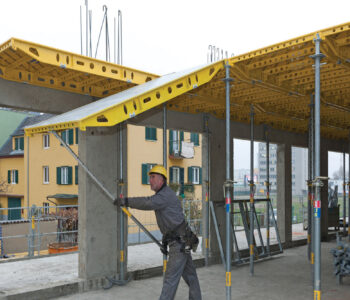
LVL formwork consists of panels made from thin layers of wood veneer that are glued together under heat and pressure. This process creates a strong, stable material that can withstand the rigours of construction while providing a smooth surface for concrete pouring. Unlike traditional timber, LVL is engineered to eliminate defects, ensuring consistent performance.
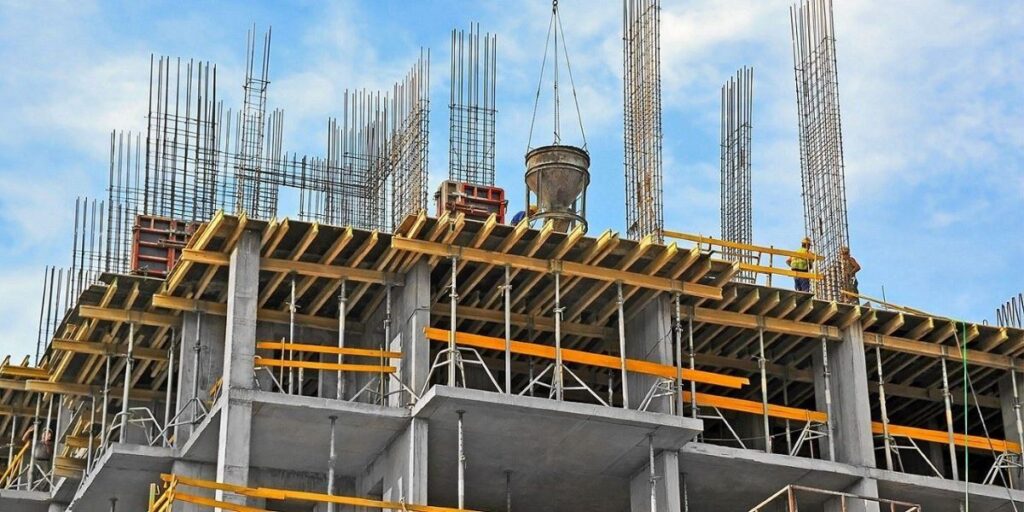
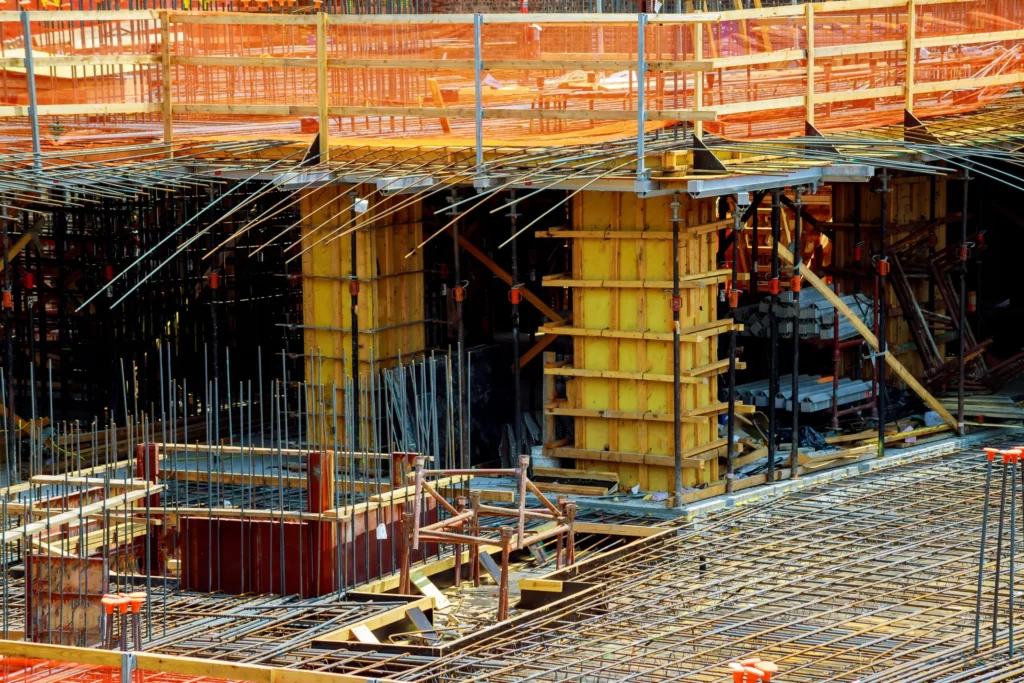
Typically, LVL formwork is used in various applications, including walls, slabs, and columns. Its ability to be manufactured in large sizes allows for fewer joints and seams, which can lead to a more efficient construction process. This is particularly beneficial in large-scale projects where time and precision are paramount.
Manufacturing Process of LVL
The manufacturing of LVL involves several key steps. First, high-quality veneers are sourced from sustainable forests. These veneers are then dried to a specific moisture content to enhance bonding. Next, they are glued together in layers, with the grain direction of each layer oriented to maximise strength. Finally, the laminated product is pressed and cut to the desired dimensions.
This meticulous process not only ensures that LVL is strong and reliable but also allows for customisation. Builders can specify the thickness, length, and width of the LVL panels to suit their specific project requirements.
Advantages of LVL Formwork
LVL formwork offers numerous advantages over traditional materials. One of the most significant benefits is its strength-to-weight ratio. LVL is lighter than solid timber, making it easier to handle and transport on-site. This can lead to reduced labour costs and quicker installation times.
Another advantage is its dimensional stability. Unlike solid wood, LVL is less prone to warping, twisting, or splitting, which can compromise the integrity of formwork. This stability ensures that the formwork maintains its shape throughout the curing process, leading to better-quality concrete finishes.
Cost-Effectiveness
While the initial cost of LVL may be higher than traditional timber, its longevity and performance can lead to cost savings in the long run. The reduced need for maintenance and replacement, combined with faster installation times, can significantly lower overall project costs.
Additionally, the use of LVL can contribute to sustainability goals. Many manufacturers source their wood from sustainably managed forests, and the efficiency of LVL in construction can help reduce waste.
Applications of LVL Formwork in Construction
LVL formwork is versatile and can be used in a variety of construction applications. Its strength makes it suitable for high-rise buildings, where formwork must support significant loads during the curing of concrete. It is also ideal for residential projects, providing a reliable solution for foundations and structural elements.
In commercial construction, LVL formwork is often used for creating complex shapes and designs. Its flexibility allows architects and builders to push the boundaries of traditional construction methods, leading to innovative designs that enhance the aesthetic appeal of buildings.
Case Studies of LVL Formwork in Action
Several notable projects have successfully utilised LVL formwork. For instance, a recent high-rise development in Sydney implemented LVL panels for its core and floor systems. The project benefited from the lightweight nature of LVL, which allowed for quicker assembly and reduced crane time.
Another example is a commercial building in Melbourne that featured intricate architectural designs. The use of LVL formwork enabled the construction team to achieve the desired shapes without compromising structural integrity, showcasing the material’s versatility.
Technological Advancements in LVL Formwork
The construction industry is witnessing a wave of technological advancements that enhance the efficiency and safety of LVL formwork. Automation and robotics are increasingly being integrated into construction processes, allowing for precise cutting and assembly of LVL panels.
Digital tools are also playing a crucial role in optimising formwork design. Software can simulate the performance of LVL in various conditions, enabling engineers to make informed decisions about material selection and structural design. This not only improves safety but also enhances productivity on-site.
Industry 4.0 and Its Impact on LVL Formwork
The implementation of Industry 4.0 technologies is expected to revolutionise the construction sector. The World Economic Forum predicts a potential 30% increase in productivity within the next decade. LVL formwork stands to benefit significantly from these advancements, as smart technologies can streamline the entire construction process.
For instance, sensors embedded in LVL panels can monitor moisture levels and structural integrity in real-time, providing valuable data that can inform maintenance and safety protocols. This proactive approach to construction management can lead to safer and more efficient building practices.
Sustainability and Environmental Considerations
As the construction industry faces increasing pressure to adopt sustainable practices, LVL formwork aligns well with these goals. Many manufacturers are committed to reducing their environmental impact by sourcing wood from sustainably managed forests and implementing eco-friendly production processes.
Moreover, the durability of LVL means that structures built with this material can have a longer lifespan, reducing the need for frequent repairs or replacements. This longevity contributes to a lower carbon footprint over the life cycle of the building.
Future Trends in LVL Formwork
The future of LVL formwork looks promising, with ongoing research and development aimed at enhancing its properties. Innovations in adhesive technology and wood treatment processes are expected to further improve the performance of LVL in construction applications.
Additionally, as the demand for sustainable building materials grows, LVL is likely to become a preferred choice for environmentally conscious builders. The combination of strength, versatility, and eco-friendliness positions LVL formwork as a key player in the future of construction.
Conclusion
LVL formwork represents a significant advancement in construction materials, offering a range of benefits that enhance efficiency, safety, and sustainability. As the industry continues to evolve, the role of LVL in modern construction is set to expand, paving the way for innovative building practices that meet the demands of a changing world.
For builders and architects looking to optimise their projects, understanding the advantages and applications of LVL formwork is essential. Embracing this technology not only improves construction processes but also contributes to a more sustainable future for the industry.
Learn about: How Concrete Form Plywood Improves Finish Quality in Large-Scale Builds