 Concrete
How Concrete Form Plywood Improves Finish Quality in Large-Scale…
Concrete form plywood plays a pivotal role in the construction industry, particularly in large-scale builds. Its ability to enhance the quality of concrete finishes cannot be overstated. As projects become more ambitious, the demand for high-quality materials that ensure smooth and durable surfaces has surged. This article delves into how concrete form plywood contributes to superior finish quality, the materials involved, and the latest advancements in the industry.
The Importance of Material Selection
Choosing the right materials is crucial in construction. High-quality concrete form plywood, particularly film-faced plywood, is renowned for its ability to produce smooth concrete finishes. An industry expert notes that using premium materials like concrete form plywood reduces the need for multiple coats or extensive surface treatment before pouring. This efficiency not only saves time but also minimises costs associated with labour and materials.
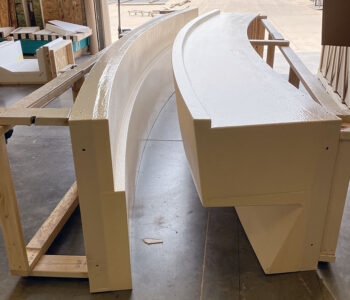
Film-faced plywood is designed to provide a smooth surface that directly impacts the quality of the concrete finish. The film layer acts as a barrier, preventing moisture from penetrating the wood and ensuring that the concrete does not adhere to the formwork. This results in a clean release and a flawless surface that requires minimal finishing work.
Moreover, the choice of formwork material can significantly affect the overall aesthetic of the finished structure. Builders are increasingly recognising that the right plywood can elevate the visual appeal of concrete elements, making them more attractive and marketable.
Impact on Concrete Surface Quality
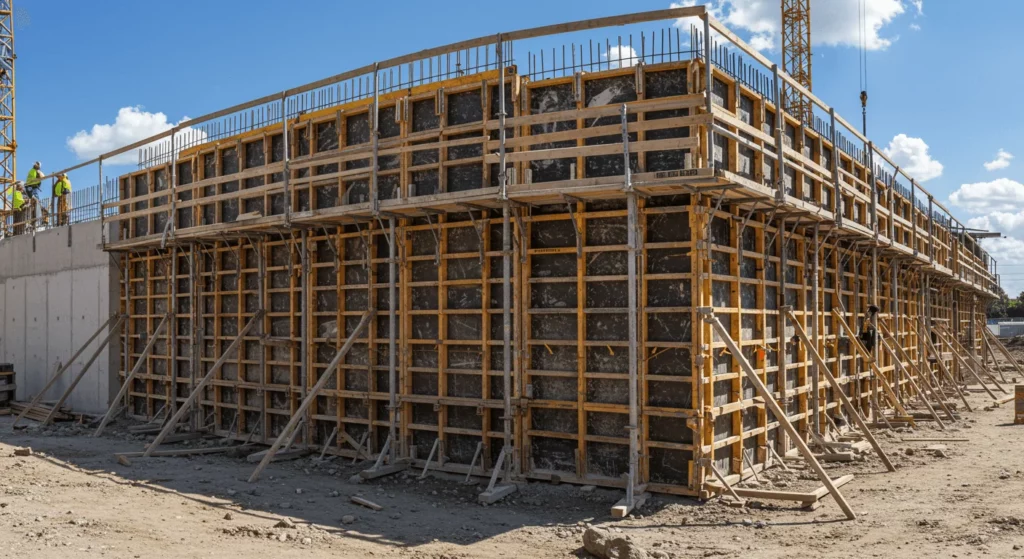
The surface quality of concrete is paramount in construction, especially for large-scale projects where aesthetics and durability are critical. A study revealed that concrete cast with marine plywood formwork exhibited a void content nearly 3.5 times higher than that of concrete cast with galvanized steel formwork. This stark difference highlights how the choice of formwork material can significantly influence the final product.
Marine plywood, known for its water resistance and durability, is often preferred for projects requiring high-quality finishes. Its smooth surface allows for a more even concrete pour, reducing the likelihood of imperfections such as air pockets or voids. Consequently, builders can achieve a more uniform and polished appearance in their concrete structures.
Furthermore, the use of high-quality formwork plywood can lead to enhanced durability of the concrete itself. A well-finished surface is less prone to cracking and wear, ensuring that the structure remains intact and visually appealing over time.
Advancements in Sustainable Materials
As sustainability becomes a priority in construction, the formwork plywood market is witnessing a significant shift. Manufacturers are increasingly adopting wood from certified forests and exploring alternatives such as bamboo and recycled wood to create eco-friendly plywood options. This trend not only addresses environmental concerns but also meets the growing demand for sustainable building practices.
Using sustainable materials in formwork plywood not only benefits the environment but also enhances the overall quality of the concrete finish. Eco-friendly plywood options often come with improved properties that can lead to better performance during the pouring process. For instance, bamboo plywood is known for its strength and flexibility, making it an excellent choice for complex forms.
Moreover, sustainability regulations, particularly in the EU, are reshaping market dynamics. Strict formaldehyde emission limits have prompted producers to adopt ultra-low-emission adhesives in phenolic formwork plywood, ensuring that the materials used are not only effective but also safe for the environment.
Technological Integration in Manufacturing
The integration of artificial intelligence (AI) in the manufacturing of formwork plywood has revolutionised the industry. By reducing human error and increasing production speed, AI enhances the overall quality of plywood products. Precision in cuts and mouldings is crucial for achieving the desired finish quality in concrete structures.
With AI-driven processes, manufacturers can produce highly specialised plywood panels that meet specific structural needs. This level of customisation ensures that the formwork is tailored to the unique requirements of each project, providing optimal support for various building designs.
Additionally, computer-aided design (CAD) technology allows for meticulous planning and execution of formwork layouts. This precision engineering not only improves the efficiency of the construction process but also contributes to the overall quality of the concrete finish.
Regional Market Dynamics and Growth Projections
The global formwork plywood market is projected to reach $7.85 billion by 2025, growing at a compound annual growth rate (CAGR) of 3.9%. A significant portion of this growth is driven by the Asia-Pacific region, which accounted for approximately 60% of the market in 2024. Rapid urbanisation and infrastructure development in countries like China and India are key factors contributing to this demand.
As urban centres expand, the need for high-quality concrete finishes becomes increasingly important. Large-scale projects such as skyscrapers, bridges, and public facilities require reliable formwork solutions that can deliver consistent results. The growing population and economic development in the Asia-Pacific region are set to fuel further investments in construction, thereby increasing the demand for formwork plywood.
In response to this demand, manufacturers are focusing on enhancing their product offerings to cater to the specific needs of the regional markets. This includes developing innovative solutions that address local challenges while maintaining high standards of quality.
Customisation and Precision Engineering
Customisation is a key factor in the success of large-scale builds. Advances in technology have enabled manufacturers to produce formwork plywood that is not only high-quality but also tailored to meet the unique requirements of each project. This level of precision ensures that builders can achieve the desired finish quality without compromising on structural integrity.
Precision engineering allows for the creation of formwork panels that fit seamlessly into complex designs. This is particularly beneficial in projects that involve intricate architectural features or non-standard shapes. By utilising advanced manufacturing techniques, builders can ensure that their formwork is both functional and aesthetically pleasing.
Furthermore, the ability to customise formwork plywood extends to its surface treatment. Depending on the specific needs of a project, builders can select plywood with varying surface finishes, enhancing the overall quality of the concrete finish. This flexibility allows for greater creativity in design while ensuring that the final product meets the highest standards.
Conclusion: The Future of Concrete Form Plywood
The role of concrete form plywood in improving finish quality in large-scale builds is undeniable. As the construction industry continues to evolve, the demand for high-quality, sustainable, and technologically advanced materials will only increase. Builders must stay informed about the latest trends and innovations in formwork plywood to ensure they are utilising the best options available.
By prioritising quality materials, embracing sustainable practices, and leveraging technological advancements, the construction industry can achieve superior concrete finishes that stand the test of time. The future of concrete form plywood is bright, with endless possibilities for enhancing the quality and aesthetics of large-scale builds.
Learn about: Understanding LVL Formwork and Its Role in Modern Construction