 Air Conditioning Sydney
Commercial Air Conditioning Solutions for Sydney Businesses
This guide covers the most practical commercial air conditioning options for Sydney sites, how to choose between them, and what to ask before they commit.
What do Sydney businesses need from commercial air conditioning?
They typically need predictable comfort, low downtime, and energy control across varied weather. That means correct system sizing, zoning that matches how the space is used, and components that can cope with long daily runtimes. Learn more about commercial air conditioning Sydney to ensure your business space stays efficient and comfortable year-round.
They also need a service plan that fits their hours. For many operations, after-hours support matters as much as the brand of the unit.
Which commercial air conditioning systems suit Sydney premises best?
Most Sydney sites fall into a few proven system types. The best match depends on floor area, tenancy constraints, ceiling space, noise limits, and whether different zones need different temperatures.
Common solutions include split systems, multi-splits, ducted systems, VRF or VRV systems, packaged rooftop units, and chilled water plants for larger buildings.
When is a split system the right choice?
Split systems fit smaller tenancies, server rooms, retail back areas, and individual offices. They are usually faster to install and cheaper upfront than complex multi-zone solutions.
They work best when the space has a simple layout and stable occupancy. If the business expects growth or needs many zones, they often outgrow splits quickly.
Why do many offices choose ducted air conditioning?
Ducted systems suit offices and professional suites that want discreet airflow and cleaner aesthetics. They can deliver even temperature control across multiple rooms with a central indoor unit and ductwork.
They tend to be effective when there is adequate ceiling space and a layout that will not change often. Poor duct design can waste energy, so design quality matters.
What makes VRF or VRV systems popular for multi-zone buildings?
VRF and VRV systems are built for precise zoning and variable demand. They allow multiple indoor units to run off shared outdoor units, adjusting output to match each zone.
They are often chosen for multi-level offices, medical sites, and mixed-use tenancies. They can deliver efficiency benefits, but they require experienced design, commissioning, and ongoing service.
How should Sydney businesses think about energy efficiency and running costs?
They should treat efficiency as a whole-system outcome, not a single rating. Correct sizing, zoning, controls, and commissioning often matter more than chasing a premium model.
They can reduce costs by using scheduling, setpoint discipline, and sensors where appropriate. If a site has long operating hours, efficiency improvements can pay back faster than expected.
What role do controls, zoning, and automation play?
Controls determine how well a system matches real usage. Zoning avoids cooling empty rooms, and proper controls prevent staff from constantly overriding settings.
Many businesses benefit from time schedules, lockable setpoints, and simple interfaces. Larger sites may prefer centralised control or BMS integration to track faults and energy use.
How can they avoid common sizing and design mistakes?
They should insist on a proper heat load assessment rather than rule-of-thumb sizing. Oversized systems short-cycle, waste energy, and can leave spaces clammy due to poor humidity control.
They should also check diffuser placement, return air paths, and outdoor unit locations. A good design considers noise, access for maintenance, and realistic future changes to the space.
What indoor air quality features matter in commercial spaces?
Indoor air quality influences comfort, health, and productivity. Filtration, outdoor air ventilation, and humidity management can matter as much as temperature.
Some sites need higher-grade filtration, especially medical, fitness, and hospitality environments. They should ask how the system handles fresh air, filter access, and airflow balance.
How does Sydney’s climate affect system selection?
Sydney’s humidity and summer peaks can expose weak designs. Systems need to handle latent load, not just temperature reduction.
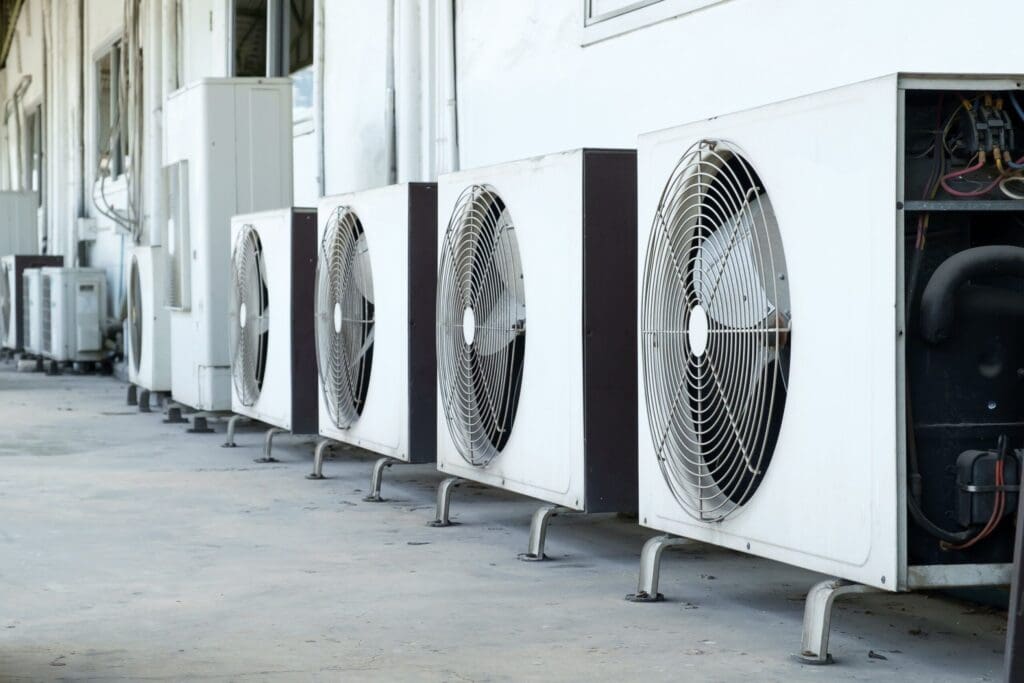
Coastal sites may also face corrosion risks, especially for outdoor units. They should consider protective coatings, correct placement, and maintenance practices that reduce salt and debris buildup.
What maintenance approach keeps commercial systems reliable?
They should treat maintenance as risk reduction, not a checkbox. Regular servicing helps prevent breakdowns, preserves efficiency, and extends equipment life.
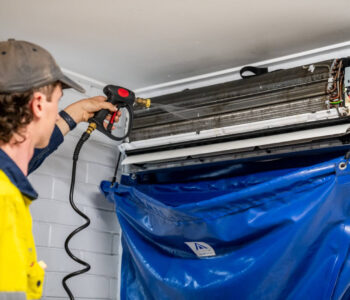
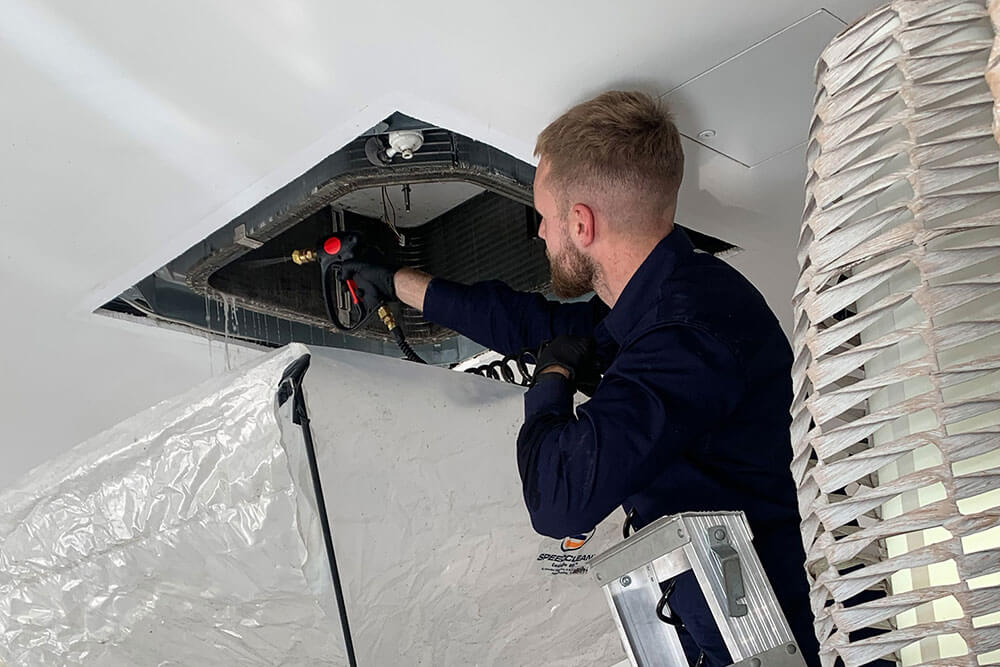
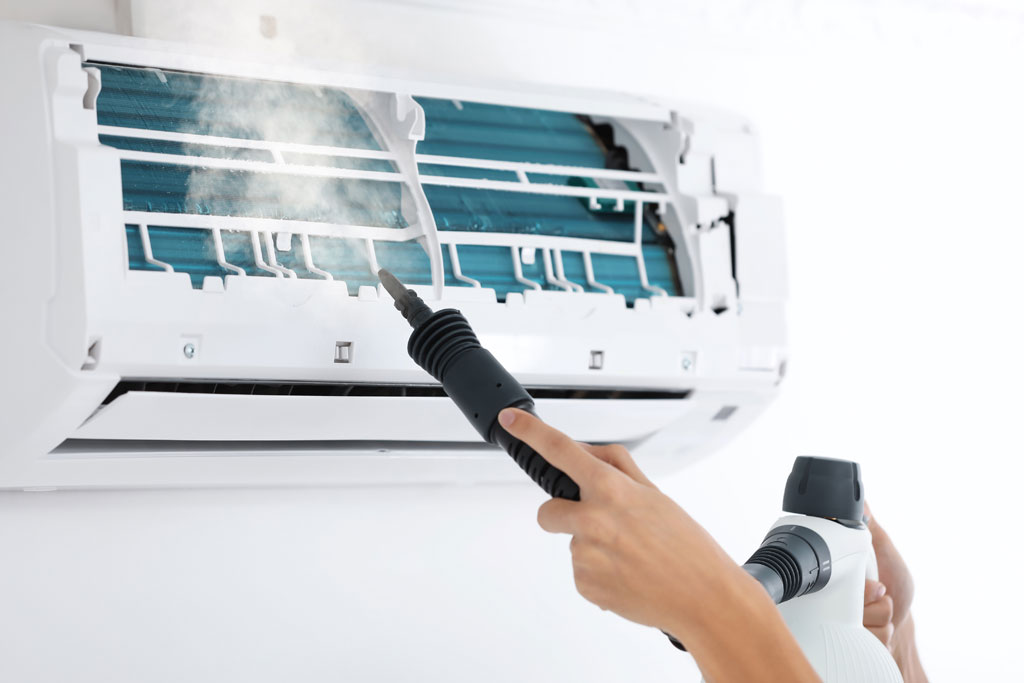
A good plan typically includes filter care, coil cleaning, drain checks, electrical inspections, refrigerant leak checks, airflow verification, and control testing. Maintenance frequency should reflect usage and site conditions.
What should they expect during installation and commissioning?
They should expect a clear scope, staged scheduling, and documented commissioning. Commissioning should confirm airflow, temperatures, control logic, and safe operation under load.
They should also receive handover documentation, warranty details, and basic training for whoever will operate the controls. Without proper commissioning, even premium equipment can underperform.
How can businesses choose the right commercial air conditioning provider in Sydney?
They should choose a provider that designs, installs, and supports commercial systems, not one that only sells units. Experience with similar sites, clear quotes, and strong commissioning processes are key signals.
They should also check response times, service coverage, and whether the provider can supply preventive maintenance. References from comparable Sydney businesses can help validate reliability.
What questions should they ask before approving a quote?
They should ask questions that reveal design quality, not just price. A cheaper quote can hide missing controls, weak duct design, or limited commissioning.
Helpful questions include:
- What load calculations were used, and can they be shared?
- How many zones will there be, and how are they controlled?
- What is included in commissioning and handover?
- What are the expected running costs and assumptions?
- What maintenance is recommended and at what intervals?
- What warranties apply to parts and labour?
- What is the plan for after-hours breakdown support?
How can they plan for growth, tenancy changes, or refurbishments?
They should plan for flexibility early, especially in fast-changing workplaces. Modular zoning, spare capacity in controls, and sensible equipment placement can make future changes cheaper.
They should also consider whether the tenancy might expand or reconfigure. Systems that adapt to new partitions and occupancy patterns often deliver better long-term value.
What is the simplest way to decide on the best solution?
They should start with the building’s needs, then match a system type to usage patterns and constraints. The best solution is usually the one that delivers stable comfort, manageable running costs, and reliable service support.
For Sydney businesses, a strong outcome comes from proper sizing, thoughtful zoning, and commissioning that verifies performance. If those fundamentals are right, the system choice becomes much clearer.
FAQs (Frequently Asked Questions)
What are the key requirements Sydney businesses have for commercial air conditioning systems?
Sydney businesses need commercial air conditioning systems that provide predictable comfort, minimize downtime, and offer energy control suited to varied weather conditions. This involves correct system sizing, zoning aligned with space usage, durable components for long runtimes, and service plans accommodating business hours including after-hours support.
Which types of commercial air conditioning systems are best suited for Sydney premises?
The best commercial air conditioning system for Sydney premises depends on factors like floor area, tenancy constraints, ceiling space, noise limits, and zoning needs. Common options include split systems for small spaces, ducted systems for offices seeking discreet airflow, VRF/VRV systems for precise multi-zone control, packaged rooftop units, and chilled water plants for larger buildings.
Why are VRF and VRV systems popular choices for multi-zone commercial buildings in Sydney?
VRF (Variable Refrigerant Flow) and VRV (Variable Refrigerant Volume) systems are favored in Sydney multi-zone buildings because they allow multiple indoor units to operate off shared outdoor units with variable output tailored to each zone’s demand. They offer efficiency benefits and precise temperature control but require expert design, commissioning, and ongoing maintenance.
How can Sydney businesses optimize energy efficiency and reduce running costs in their commercial air conditioning?
Energy efficiency should be approached as a whole-system outcome by ensuring correct sizing, zoning, controls, and commissioning rather than focusing solely on high-efficiency models. Using scheduling, maintaining consistent setpoints, deploying sensors where appropriate, and optimizing system operation during long hours can significantly reduce running costs.
What maintenance practices help keep commercial air conditioning systems reliable in Sydney?
Regular maintenance is essential to reduce risk of breakdowns and preserve system efficiency. A comprehensive plan includes filter cleaning or replacement, coil cleaning, drain line checks, electrical inspections, refrigerant leak detection, airflow verification, and control testing. Maintenance frequency should reflect site usage patterns and environmental conditions.
What factors should Sydney businesses consider when selecting a commercial air conditioning provider?
Businesses should choose providers experienced in designing, installing, and supporting commercial HVAC systems—not just selling equipment. Important considerations include proven experience with similar sites, transparent quotes detailing design quality and commissioning processes, responsive after-sales service coverage including preventive maintenance options. References from comparable Sydney businesses can validate reliability.
See Also: How to choose the right air conditioning company in greater Sydney